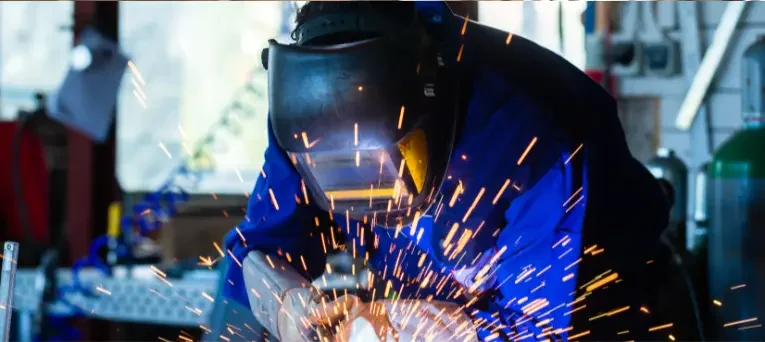
Flame-resistant clothing does one job: it refuses to keep burning. Ordinary cotton catches and stays alight until it has consumed itself; FR fabric chars, self-extinguishes when the flame goes away, and buys the seconds it takes to get clear.
That is a real and well-tested benefit. It is also narrower than the marketing suggests, and most of the ways it fails are things the wearer does, not things the garment does.
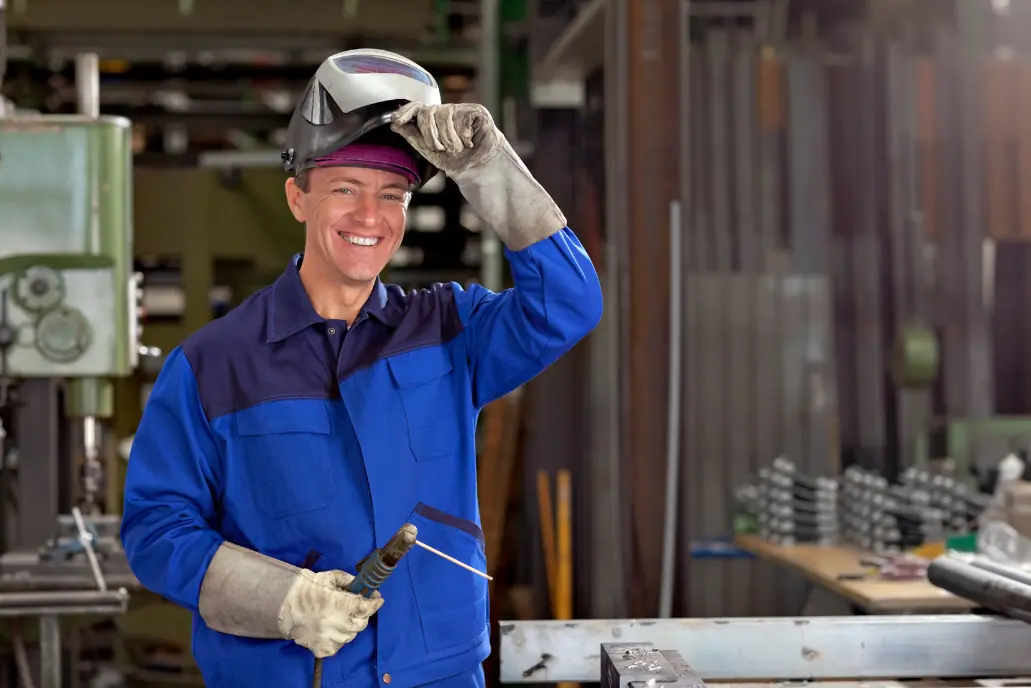
How Flame-Resistant Fabric Actually Works
There are two ways to make a fabric flame-resistant, and both are legitimate.
Inherent and treated flame resistance
| Aspect | Inherent | Treated |
|---|---|---|
| How it is made | The fibre itself will not sustain a flame — aramids such as Nomex, and modacrylics | A chemical treatment is bonded into cotton or a cotton blend |
| Typical use | Higher-heat and specialist work | Most welding shirts, trousers and coveralls |
| Durability | Cannot be washed out; it is the fibre | Engineered to last the life of the garment, not to be re-applied |
| Cost | Higher | Lower, which is why most welding kit is treated cotton |
The common claim that treated garments “need re-treatment” or lose their protection after a few washes is wrong for anything certified. NFPA 2112 requires the fabric to still pass its flame test after 25 launderings before the garment can be certified at all.
What does destroy it is contamination. Oil, grease and solvent soaked into the cloth burn quite happily whether or not the cloth does, and the garment is then a wick.
What the Certification on the Label Means
“Flame resistant” printed on a garment is a claim, not a certification. Three things get named on labels and they cover different hazards.
The standards you will see
| Standard | Hazard | What it takes to pass |
|---|---|---|
| NFPA 2112 | Flash fire — the relevant one for welding | 17 test methods, including the flame test after 25 launderings and the ASTM F1930 manikin test: a three-second engulfment at 2 cal/cm² with under 50% predicted body burn |
| ASTM F1506 and NFPA 70E | Electric arc | An arc rating in cal/cm², and the category it falls into |
| ASTM D6413 | Neither on its own | A vertical flame held to a strip of cloth. It is one of the tests inside NFPA 2112, not a substitute for it |
A garment carrying NFPA 2112 has been put on a manikin and set on fire. A garment whose label claims only ASTM D6413 has had a flame held to a sample of its cloth. Both are honest statements; they are not the same promise.
The Three Things That Cancel the Protection
Where FR clothing actually fails
None of these is a fault in the garment. All three are common on real jobs.
- A meltable layer underneath
- this is the one people miss. Heat passes through the FR outer layer, and a polyester, nylon, polypropylene or spandex base layer melts onto skin — turning a survivable burn into a much worse one. NFPA 70E permits non-melting flammable garments, meaning cotton, under arc-rated clothing. It does not permit synthetics. Check what your t-shirt and socks are made of.
- Oil and grease in the fabric
- contaminated FR clothing burns. Z49.1 asks for clothing to be kept clean for exactly this reason, and no amount of certification survives a fuel-soaked sleeve.
- The wrong laundry products
- fabric softener, chlorine bleach and starch all leave flammable residue on the fabric. The FR treatment is intact underneath; what is on top of it is not.
It Is Flame Resistant, Not Fireproof
FR fabric resists ignition and stops burning when the flame is removed. It still conducts heat, and every garment has a limit — arc ratings exist precisely because the protection is finite and measurable. Beyond that limit, or over a long enough exposure, you will be burned through clothing that did exactly what it was certified to do.
Which is why the standards treat clothing as one control among several. ANSI/AWS Z49.1:2021 clause 4.3 asks for clothing that minimises burns from sparks, spatter and radiation, and its explanatory note recommends heavier materials while warning that anything which melts should not be used at all.
When to Retire a Garment
FR clothing usually stops protecting long before it looks finished. Inspect before wearing, and retire it when any of these is true: a tear or worn-through patch that exposes what is under it, oil or grease staining that will not wash out, a repair made with non-FR thread or a non-FR patch, or an unreadable label. NFPA 2113 is the standard covering selection, care, use and maintenance, and it is the one an employer should be working to. Our guide to cleaning welding clothes covers the washing rules in detail.
If you are choosing new kit, the same reasoning runs through our guides to the best welding shirts and the best welding pants, and we compared welder trousers with ordinary work trousers directly.
Frequently Asked Questions
Is flame-resistant clothing actually safe?
Yes, within its limits. It self-extinguishes rather than continuing to burn, which reduces burn severity and buys time to get clear. It is not fireproof: it conducts heat, every garment has a rated limit, and contamination or a meltable base layer will undo most of the benefit.
Does flame resistance wash out of FR clothing?
Not from a certified garment used properly. NFPA 2112 requires the fabric to pass its flame test after 25 launderings before certification. What ruins FR clothing is oil and grease soaked into the fabric, and washing it with fabric softener, chlorine bleach or starch, all of which leave a flammable residue.
What should you wear under FR clothing?
Cotton, or a proper FR base layer. Never polyester, nylon, polypropylene, acetate or spandex next to the skin: heat passes through the outer layer and melts them onto you. NFPA 70E permits non-melting flammable garments — cotton — under arc-rated clothing, and nothing meltable.
What is the difference between flame-resistant and flame-retardant clothing?
In practice the terms are used for the same thing, and the useful distinction is different: inherent flame resistance is built into the fibre, treated flame resistance is bonded into cotton. Both are certified against the same standards, and a certified treated garment does not need re-treating.
Do you have to wear FR clothing to weld?
OSHA has no rule naming it, but its 2012 letter of interpretation says employers are expected to provide flame-resistant clothing where welders are exposed to flash fire or short-duration flame. That covers most welding. Where controls genuinely remove the exposure, it is not required.
Sources
- ANSI/AWS Z49.1:2021, Safety in Welding, Cutting, and Allied Processes — clause 4.3 and note E4.3 on clothing materials, meltable fabrics and keeping clothing clean
- NFPA 2112 test methods — the 17 tests, the 25-laundering flame-resistance requirement and the ASTM F1930 manikin test
- Bulwark, on non-FR undergarments — why meltable base layers increase burn injury, and what NFPA 70E 130.7(C)(12)(a) permits underneath
- OSHA letter of interpretation, 12 January 2012 — when employers are expected to provide FR clothing for welders
- ASTM F1506-20a — flame resistant and electric arc rated clothing
The Short Answer
Flame-resistant clothing is safe and worth wearing, and it is not a force field. Buy something certified to NFPA 2112, wear cotton or an FR base layer underneath it, keep it out of oil, and wash it without softener or bleach. Retire it when it is torn, permanently stained or its label has gone. Most of the failures are not the garment's.