 Welding Guides
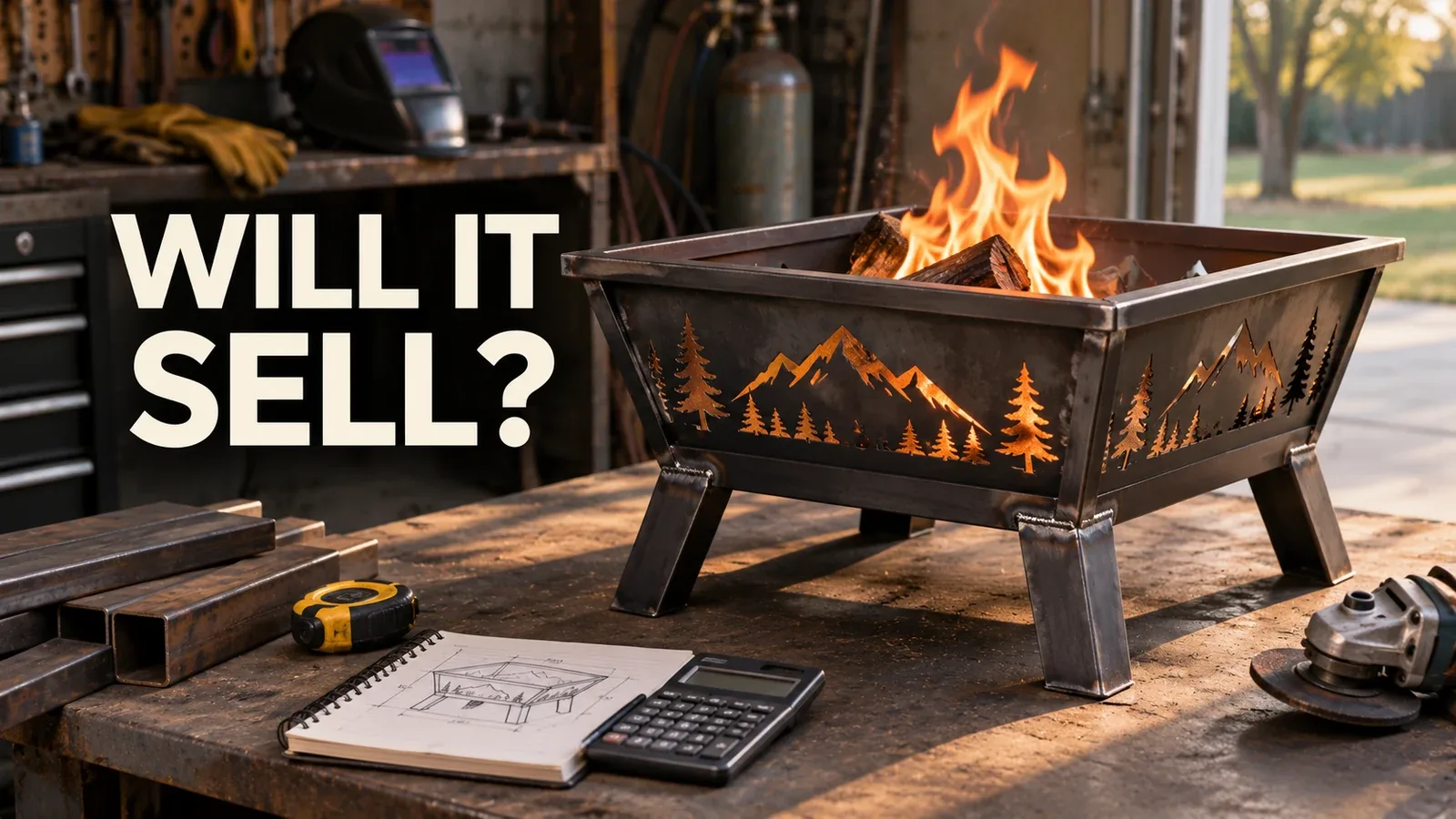
Welding Projects That Sell (and How to Price Them)
November 23, 2026People might love what you make. But will they pay enough for you to make another one?
Read guideWelding GuidesPeople might love what you make. But will they pay enough for you to make another one?
Read guide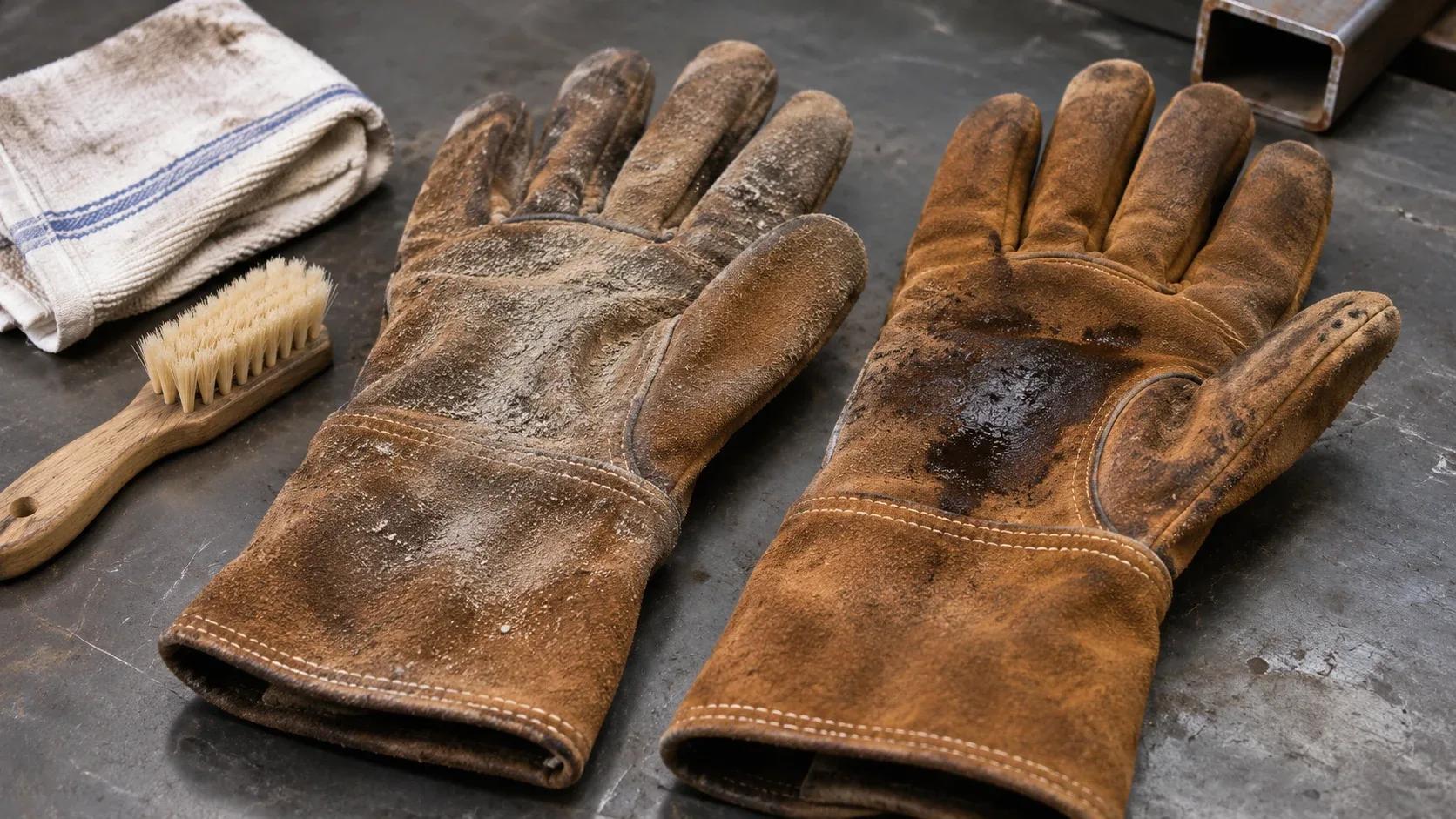 Safety
The dirty-palm problem is not always a laundry problem. Here is what glove makers and welding safety guidance actually say about cleaning leather welding gloves, dealing with oil, and deciding when a pair is done.
Read guide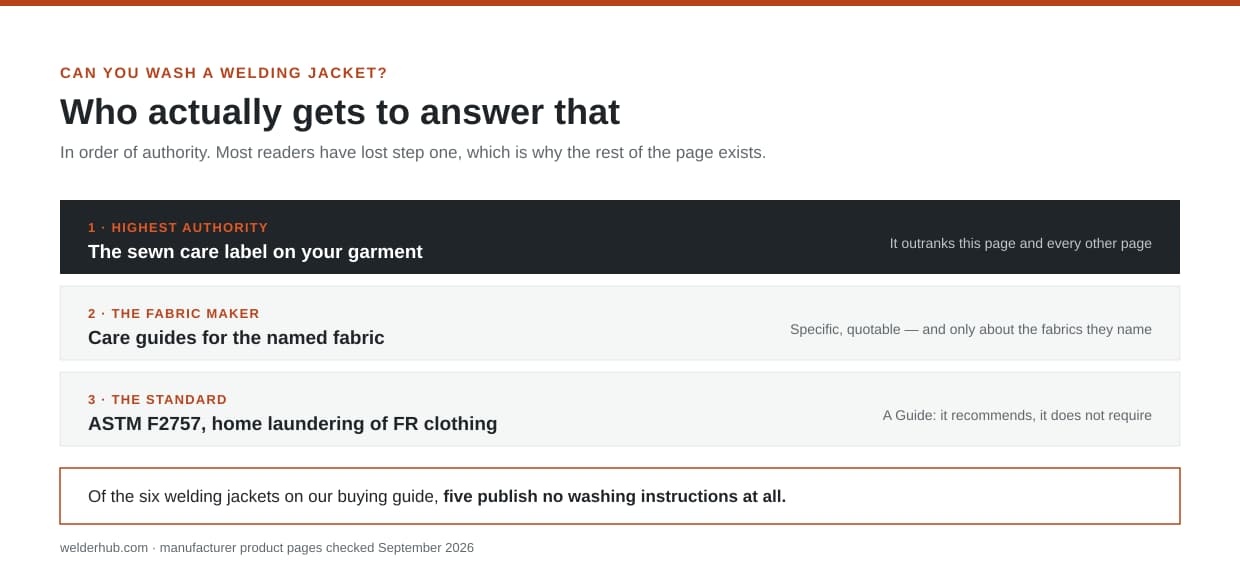 Safety
Read the label first: it outranks every page you will find, including this one. If the label is gone, the material decides - leather never goes in a machine, and FR cotton has a temperature ceiling three separate documents agree on.
Read guide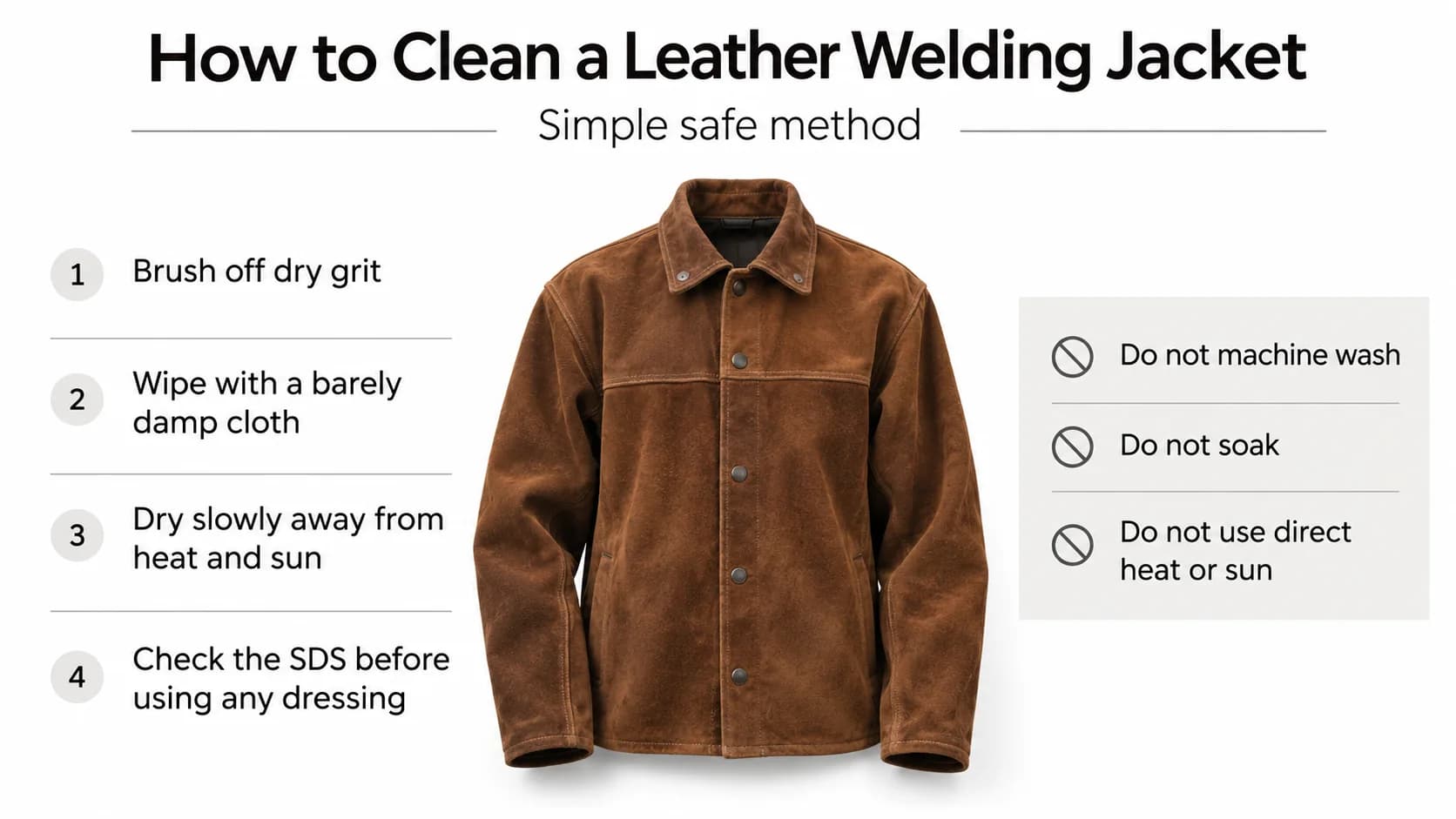 Safety
None of the five leather welding jacket product pages we checked publishes a cleaning method. Here is what the welding clothing standard, the peer-reviewed chromium research and two products' safety data sheets establish, and where the evidence stops.
Read guide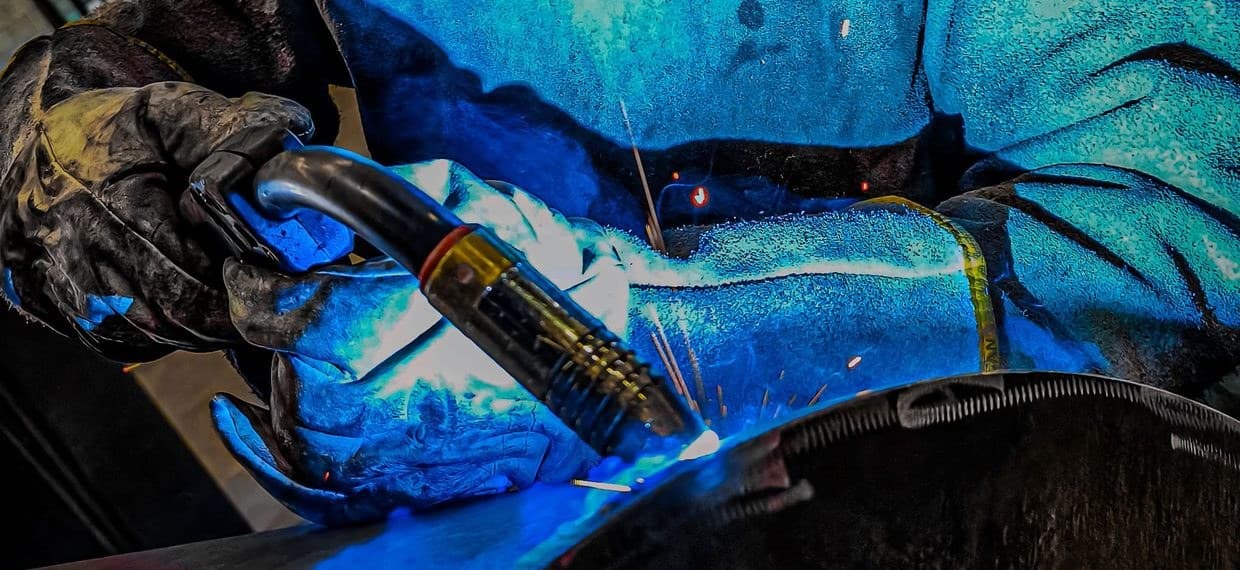 Buying Guides
The best flux-core welder for most people is the Lincoln Weld-Pak 90i FC: 90 amps at a 30 per cent duty cycle, 15 lb, and the most owner experience on the shelf. This guide explains why three machines sold as 120 and 140 amps are all rated at the same 90, and why the cheapest one publishes the most honest thickness figure.
Read guide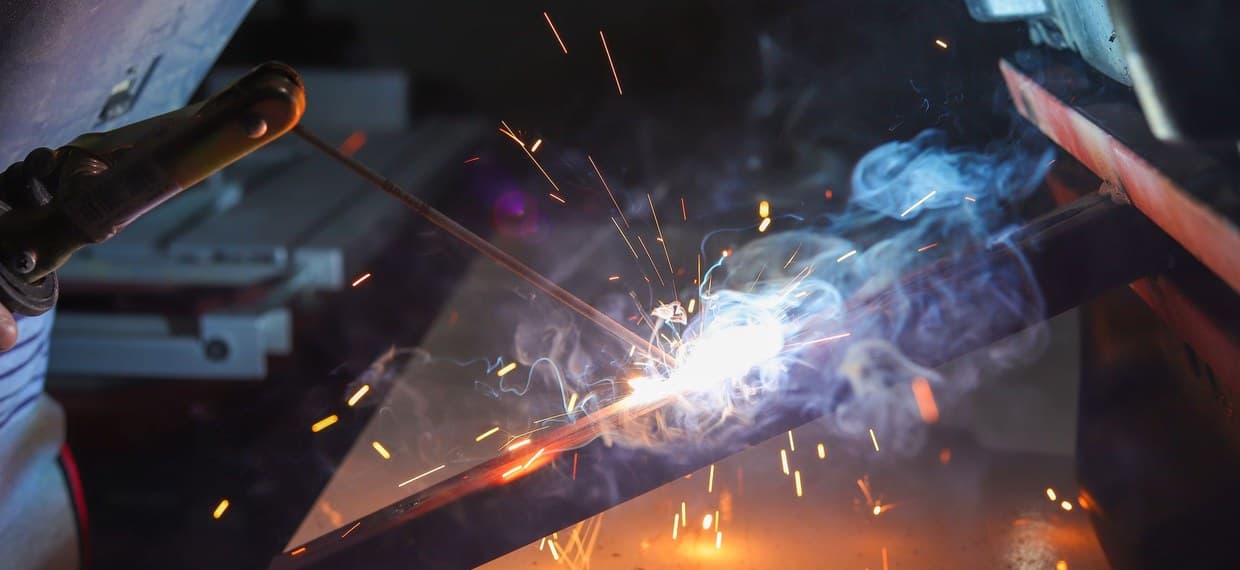 Buying Guides
The best stick welder for most people is the Lincoln Weld-Pak 225i DV: 225 amps at a 30 per cent duty cycle on 230 volts, 82 volts open-circuit, and lift TIG in the same box. This guide explains the three numbers that decide a stick welder, and why a 250-amp claim on a 110-volt plug is arithmetic that does not work.
Read guide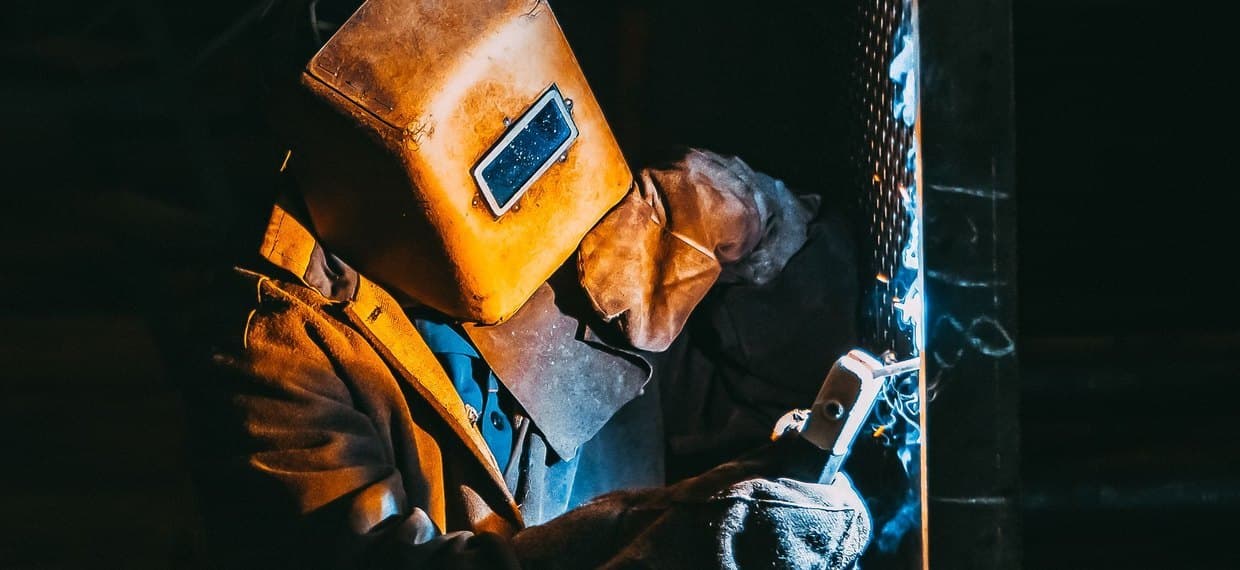 Buying Guides
Your arms are covered and your back is soaked. How to match a leather, FR cotton or hybrid welding jacket to the work you actually do.
Read guide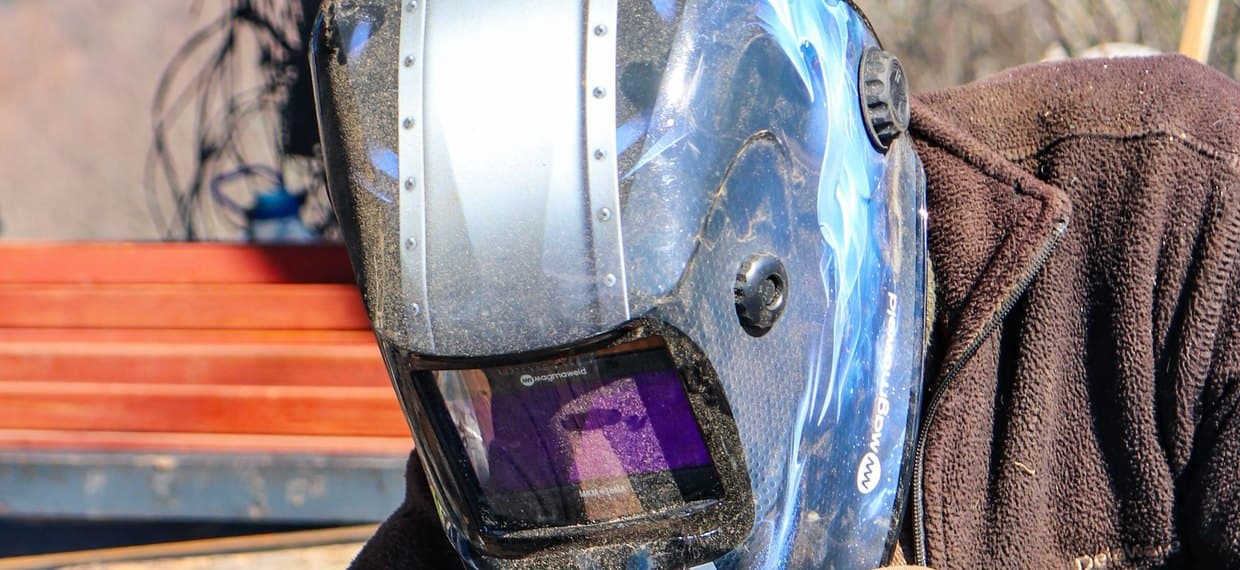 Buying Guides
The best auto-darkening welding helmet for most people is the Lincoln VIKING 3350 with 4C lens technology: 1/1/1/1 optics, a 12.5 square inch window, a 5-13 shade range, and sensors Lincoln rates down to 2 amps on both AC and DC. If you ever weld at low amperage, that last number is the one that decides it.
Read guide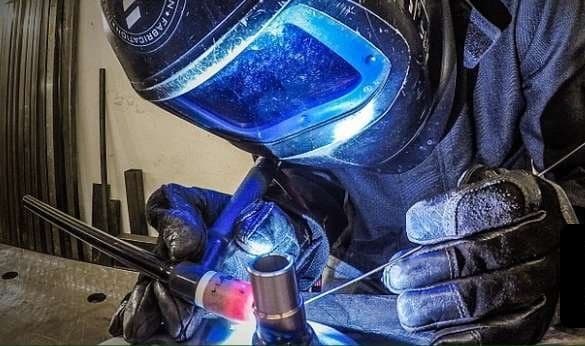 Buying Guides
A TIG welder is bought for control, not speed. One question decides what you spend: if you weld aluminium you need an AC/DC machine, and if you only weld steel and stainless, a DC-only machine does the same work for roughly a third of the price. Every number below comes from the manufacturer's own published specification.
Read guide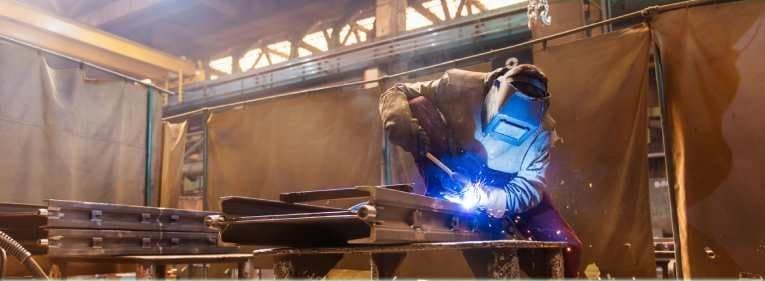 Welding Guides
To MIG weld sheet metal: use the thinnest wire your machine will feed, an argon-rich gas, and the lowest settings that still give a stable arc. Then stop welding before the panel gets hot. Almost every hole blown through thin steel is caused by heat that accumulated over several seconds, not by one setting being too high.
Read guide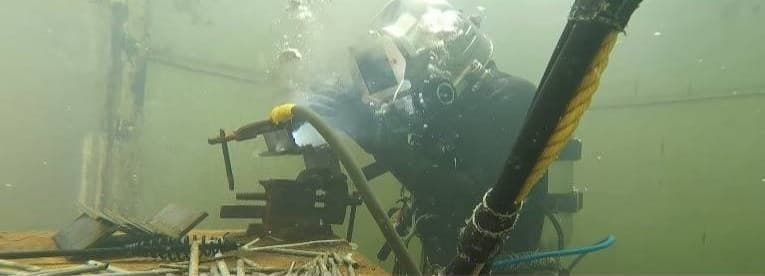 Welding Basics
The two ways to weld underwater, compared: wet welding straight into the sea, and dry hyperbaric welding inside a pressurised habitat — how each works, how deep each reaches, and why one produces a far stronger joint.
Read guide Careers
Welders help build the world. In car racing, construction, and manufacturing, welders employ their skills to fuse metals to proper strength and specifications. If you are interested in learning techniques for becoming a welder, there are a few ways of building the skills needed for this job. Learning to Weld Understand job demands Physical and
Read guide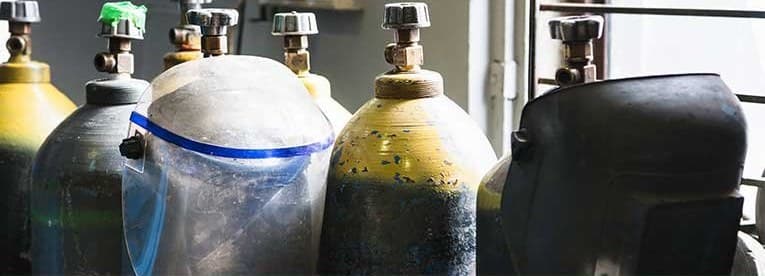 Welding Basics
Welding gases do two different jobs: some shield the puddle from the air, others burn to make the heat. Which gas belongs to which job, which one to buy for your process, and the cylinder rules that are regulations rather than advice.
Read guide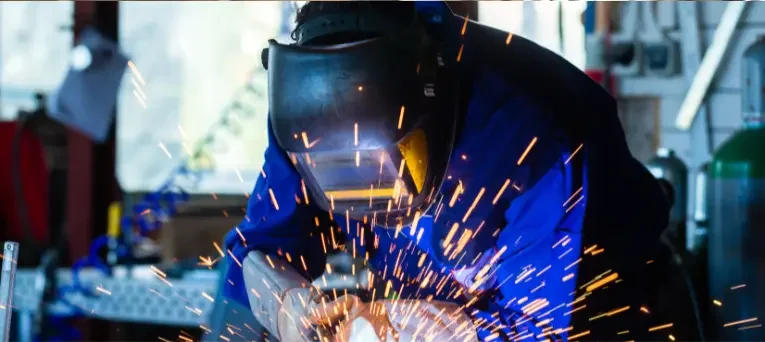 Safety
FR clothing self-extinguishes instead of burning, which is the difference between a burn and a survivable one. It is not fireproof, and the three things that defeat it are things the wearer does.
Read guide Safety
Flame-resistant cotton can go in the machine; a leather welding jacket never can. The rules for both — what strips flame resistance, what leaves something flammable behind, and when a garment should be retired.
Read guide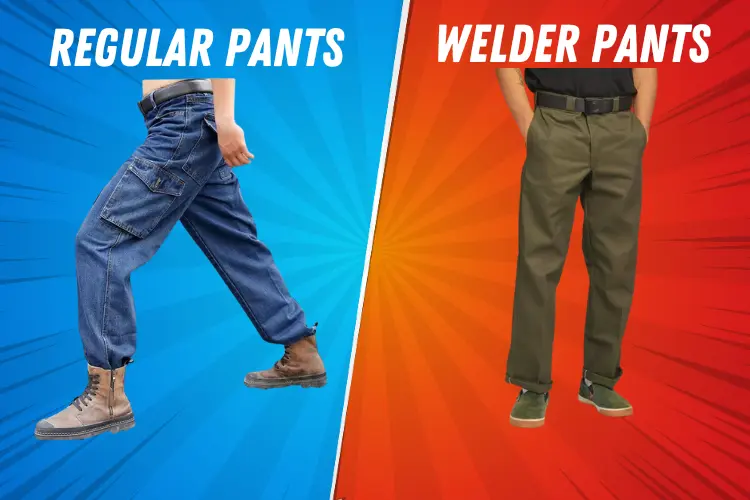 Safety
Flame-resistant pants char and self-extinguish, cotton jeans ignite and keep burning, and anything with polyester in it melts into the skin. This is what actually differs between the pair you own and the pair sold for welding - and when the ones you own are good enough.
Read guide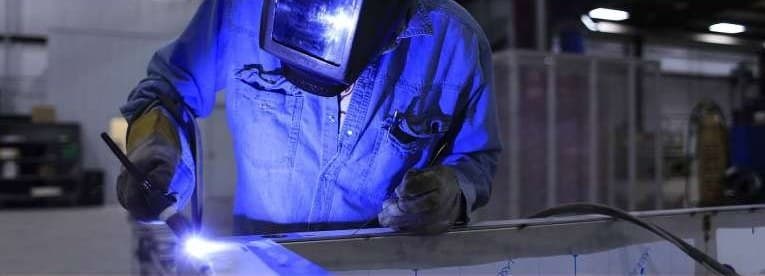 Careers
A welding job is won at the weld test, not on paper. A shop gives you a coupon, a position and a process, and then bends or x-rays what you produce. The American Welding Society's own Certified Welder programme works the same way: it is a performance test with no written exam, and AWS state plainly that there are no educational prerequisites and no minimum experience requirement.
Read guide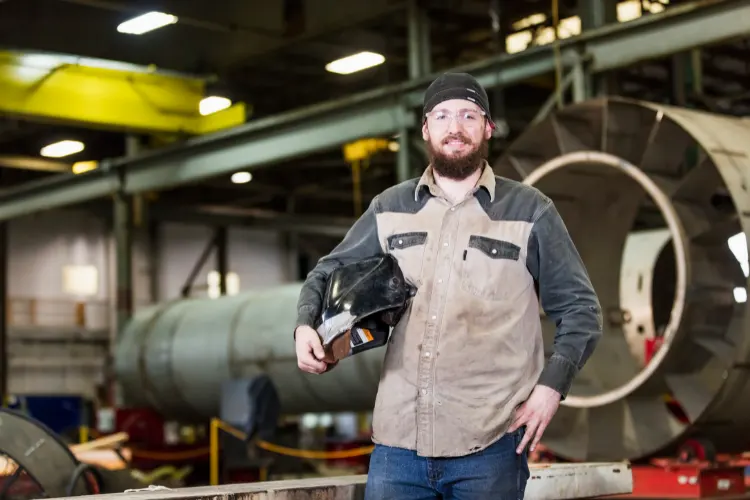 Buying Guides
Three flame-resistant welding shirts with every figure taken from the maker's own spec, plus the difference between a shirt that passed a flame test and one certified to NFPA 2112.
Read guide Buying Guides
Welding pants catch what falls. Five flame-resistant pairs with every figure taken from the manufacturer's own spec, plus what NFPA 2112 really certifies and why ANSI Z49.1 wants no cuffs and no front pockets.
Read guide Welding Guides
For experts and beginners alike, welding can be a great way of making money. A lot of people dream about turning their hobby into a thing that pays extra money; therefore, welding may be your way of making that dream to see the light. There are various difficulties when you want to make money from
Read guide Careers
The Bureau of Labor Statistics has no occupation called TIG welder. TIG is a process, and BLS counts everyone who uses it inside one occupation - welders, cutters, solderers and brazers - which had a median wage of $48,940 in May 2023. What moves a welder's pay is not which process they run. It is which industry they run it in.
Read guide Welding Guides
To use a TIG welder: set DC electrode negative for steel and stainless, AC for aluminium. Fit a tungsten sized to the current - 1/16 inch up to about 100 amps, 3/32 inch for general work. Set roughly one amp per thousandth of an inch of steel thickness, argon at 15 to 20 cubic feet per hour, and feed the filler with your other hand.
Read guide Welding Guides
A welded C-clamp, a 90 degree corner clamp, a table dog and a long-reach bar clamp - what to make them from, how to build each one, and what clamping does to the weld you are holding.
Read guide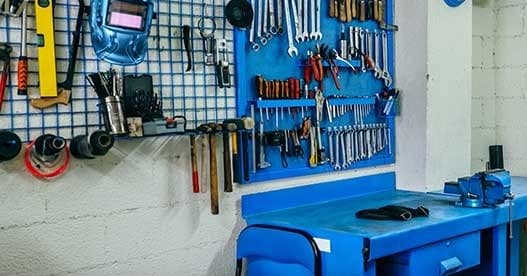 Welding Guides
Chisel end along the bead, cone end for corners and undercut, spectacles under the helmet. What slag is, which processes make it, and why it has to come off before the next pass.
Read guide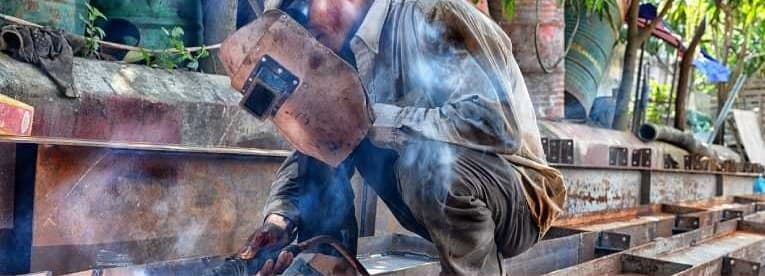 Welding Basics
There are dozens of types of welding processes, but four cover almost all of the work: stick, MIG, TIG and flux-cored. All four strike an electric arc and melt the parent metal. What separates them is how the weld is shielded from the air, and that one difference decides which you can use outdoors, on aluminium, or on rust.
Read guide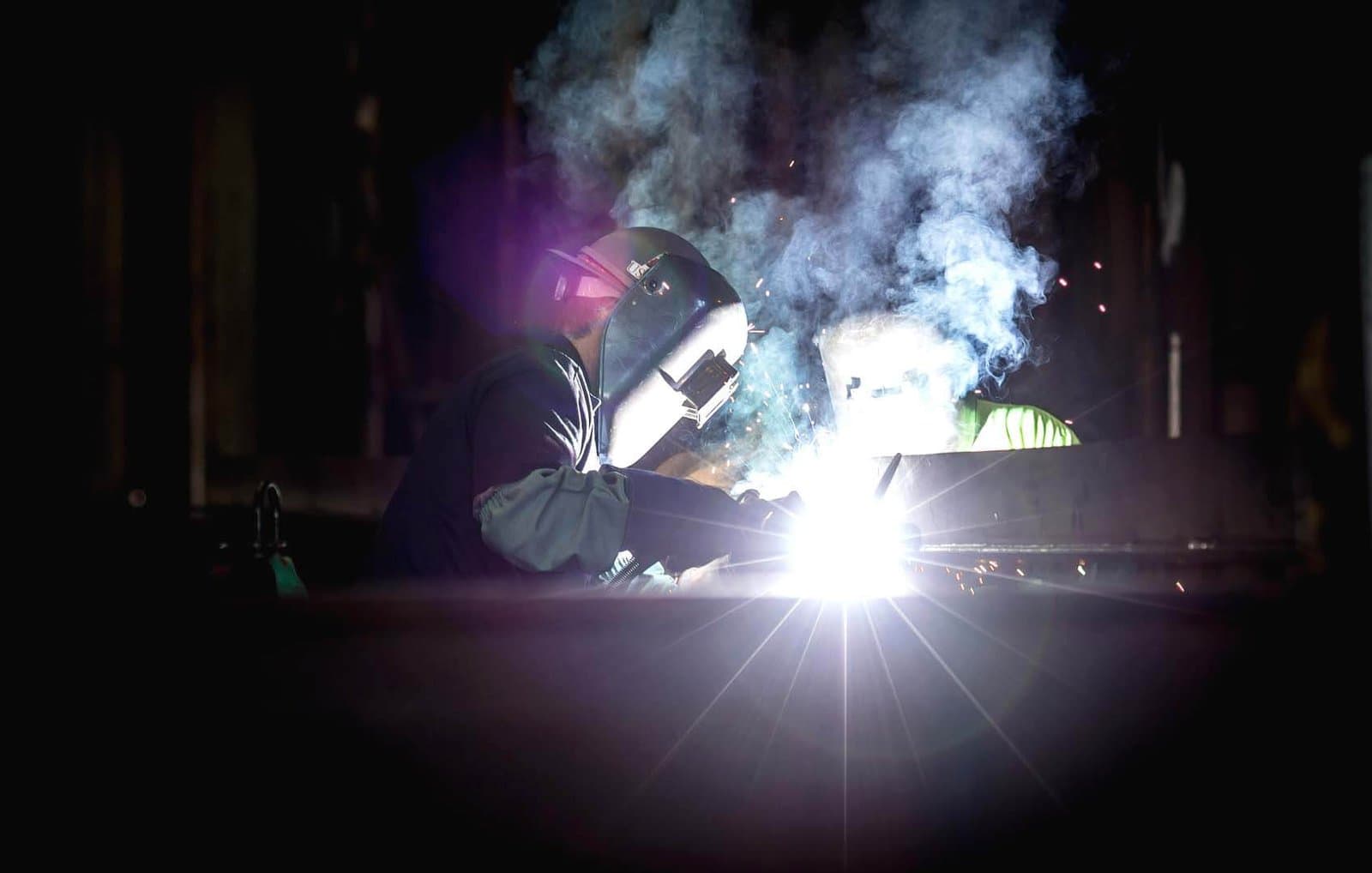 Welding Basics
The difference between MIG and TIG welding is who feeds the filler. MIG drives a consumable wire through the torch automatically, so one hand welds and the machine keeps up. TIG holds a tungsten electrode that is never consumed, and your other hand feeds a rod into the puddle. That one difference produces every other difference between them.
Read guide Welding Guides
You can weld aluminium with a stick welder. Covered aluminium electrodes are a real product with a real standard behind them - AWS A5.3 covers E1100, E3003 and E4043 - and they run on DC electrode positive with the work preheated. What you should know before buying any is that TWI's own guidance on welding aluminium does not list stick welding as a process for it at all.
Read guide Welding Basics
Welding is a process that involves joining two pieces of metal or plastic, and this is done by melting the pieces of metal. The heat produced provides a strong joint between the two joined pieces of metal or plastic. Two popular types of current are used in the welding process. These are Alternating current (AC) and
Read guide Welding Guides
To use a stick welder: set the polarity the rod calls for, set the amperage to roughly one amp per thousandth of an inch of rod diameter, scratch the electrode like a match and lift it about a rod-thickness off the plate, then drag it along the joint at a slight angle, keeping that gap constant.
Read guide Welding Guides
A complete beginner's guide to MIG welding: choosing wire and gas, setting polarity, voltage and wire feed speed, holding the right gun angle and stick-out, and reading a finished bead to work out what to change.
Read guide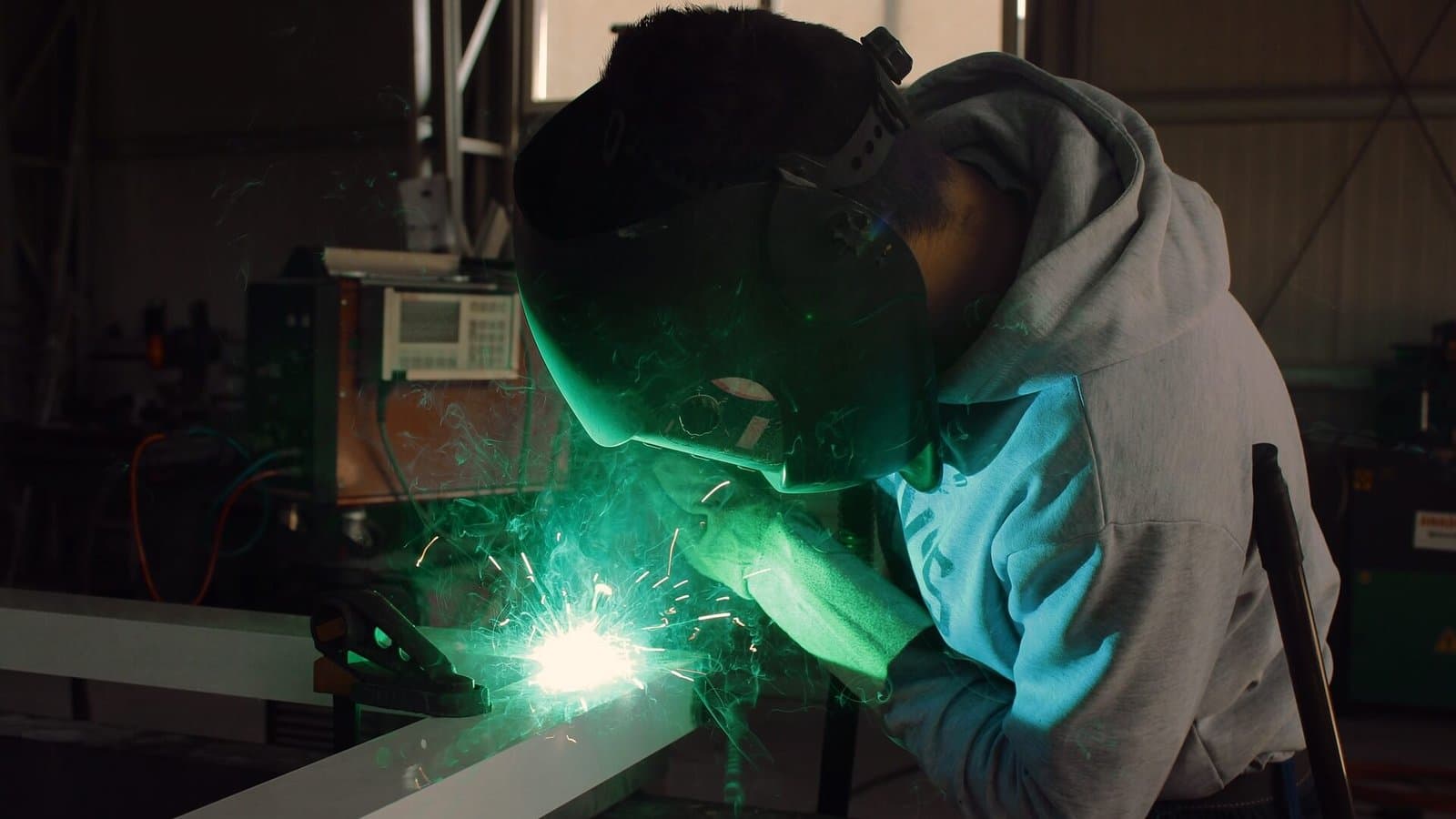 Welding Basics
One line separates all three. Welding melts the parent metal; brazing and soldering melt only the filler and leave the parent metal solid. Brazing and soldering are then separated from each other by temperature alone: TWI put the line at 450 degrees C. Above it is brazing, below it is soldering.
Read guide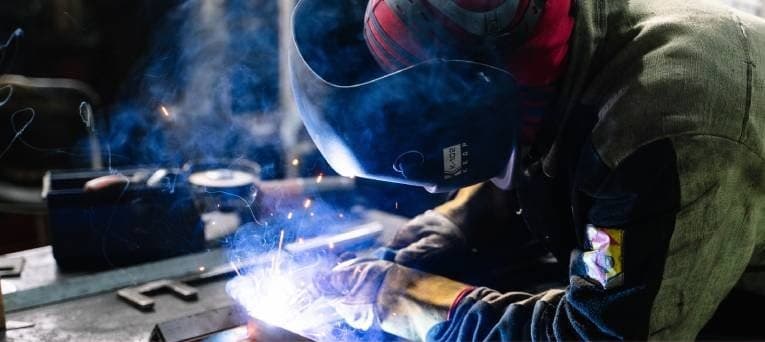 Welding Basics
Welding rod means three different things, and confusing them is the most common mistake a beginner makes. A stick electrode is consumable, flux-coated and carries the current. A TIG filler rod is bare, carries no current and is not an electrode at all. A tungsten electrode carries the current and never melts. Only the first has the famous four-digit number.
Read guide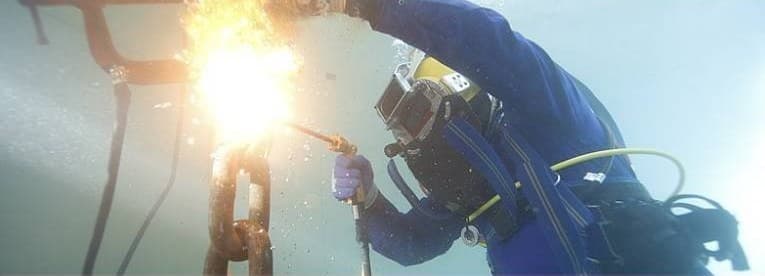 Careers
The US Bureau of Labor Statistics has no occupation called underwater welder. The nearest is commercial divers, and in May 2023 there were 2,790 of them in the whole country, earning a median of $61,300 a year. The $300,000 figure that circulates is a day rate for offshore saturation divers, not an annual salary.
Read guide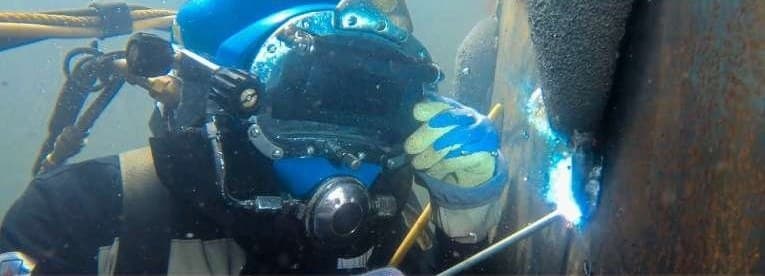 Careers
To become an underwater welder you become a commercial diver first and a welder second. The route is a welding ticket on land, then commercial diving school - 625 documented hours of instruction for an entry-level ADCI certification - then years of field days before you dive as a diver at all, and only then a welding qualification tested in the water rather than in a booth.
Read guide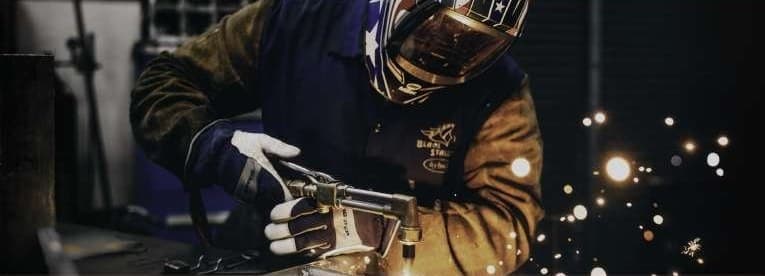 Welding Basics
Welding melts the two pieces of metal themselves, so that when the molten metal freezes it is one continuous piece rather than two parts stuck together. What that means in practice, and why welds often fail beside the weld rather than in it.
Read guide